After the death of Lycurgus, the Spartans showed their deep respect for him by building a temple in his honor. From that time onward, they worshipped him with great reverence, almost as if he were a god. His laws and reforms shaped Spartan society so completely that later generations believed their strength and success came directly from his wisdom.
The land of Sparta was fertile, and its population grew steadily. Because of this, the Spartans became powerful in a short time. Their wealth increased, their army grew stronger, and their confidence rose. Soon, they were no longer satisfied with peace. They began to look beyond their borders for conquest The Situation in Athens When Croesus Inquired.
Desire to Conquer Arcadia
The Spartans looked down on the Arcadians, believing them to be weaker and less disciplined. Filled with ambition, they sent messengers to Delphi to ask the oracle whether they should conquer all of Arcadia. The reply of the Pythoness was poetic and unclear. She told them that Arcadia would not be given to them, but that she would allow them to “dance in Tegea” and measure its fields with a measuring line.
The Spartans misunderstood this message. They believed it promised victory over Tegea, one of the cities of Arcadia. Feeling certain of success, they marched against the Tegeans. So confident were they that they even brought iron chains with them, expecting to use them to enslave their enemies.
A Humiliating Defeat at Tegea
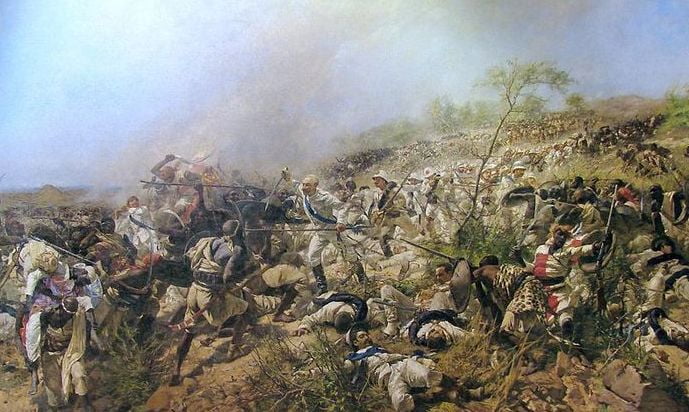
The battle did not go as the Spartans expected. Instead of winning, they were defeated by the Tegeans. Many Spartan soldiers were captured alive. In a bitter twist of fate, the prisoners were forced to wear the very chains they had brought with them. Bound together, they were made to measure the fields of Tegea while working as laborers Tour Guide Ephesus.
These chains became symbols of Spartan failure. Long afterward, they were still displayed at Tegea, hanging on the walls of the temple of Athena Alea. They served as a reminder that pride and misunderstanding the gods could lead to humiliation.
Continued Failures and a New Question to the Oracle
For many years, the Spartans continued to suffer defeats against the Tegeans. They could not gain control over them, no matter how hard they tried. However, during the time of King Croesus of Lydia, things began to change. Under the Spartan kings Anaxandrides and Aristo, the Spartans decided to seek divine help once more.
They sent messengers to Delphi and asked the oracle which god they must honor in order to defeat Tegea. This time, the oracle gave a strange and specific answer. The Spartans were told that they must bring back to Sparta the bones of Orestes, the son of Agamemnon.
The Search for the Bones of Orestes
The Spartans searched everywhere but could not find the burial place of Orestes. Confused, they returned to Delphi and asked again where the hero was buried. The oracle replied with another riddle, describing Tegea and saying that Orestes lay hidden there beneath the earth.
Even with this clue, the Spartans struggled to find the grave. They searched carefully but without success. At last, a Spartan named Lichas discovered it. Lichas was one of the Agathoergi, a group of Spartans who had recently completed their service among the knights.
The Role of the Agathoergi
Each year, the five oldest knights were chosen to serve as Agathoergi. For one year, they were required to travel wherever the Spartan state sent them and to work actively for the good of the city. Lichas, acting in this role, finally succeeded in finding the bones of Orestes.
This discovery would soon change the balance of power between Sparta and Tegea and mark a turning point in Spartan history.